
Sintered Silicon Carbide
Sintered SiC
CALSIC S
Sintered SiC is a self-bonded material containing a sintering aid (typically Boron) of less than 1% by weight.
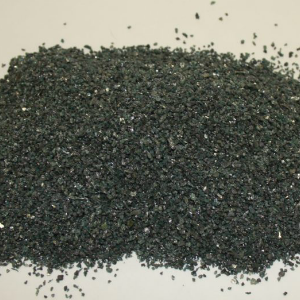
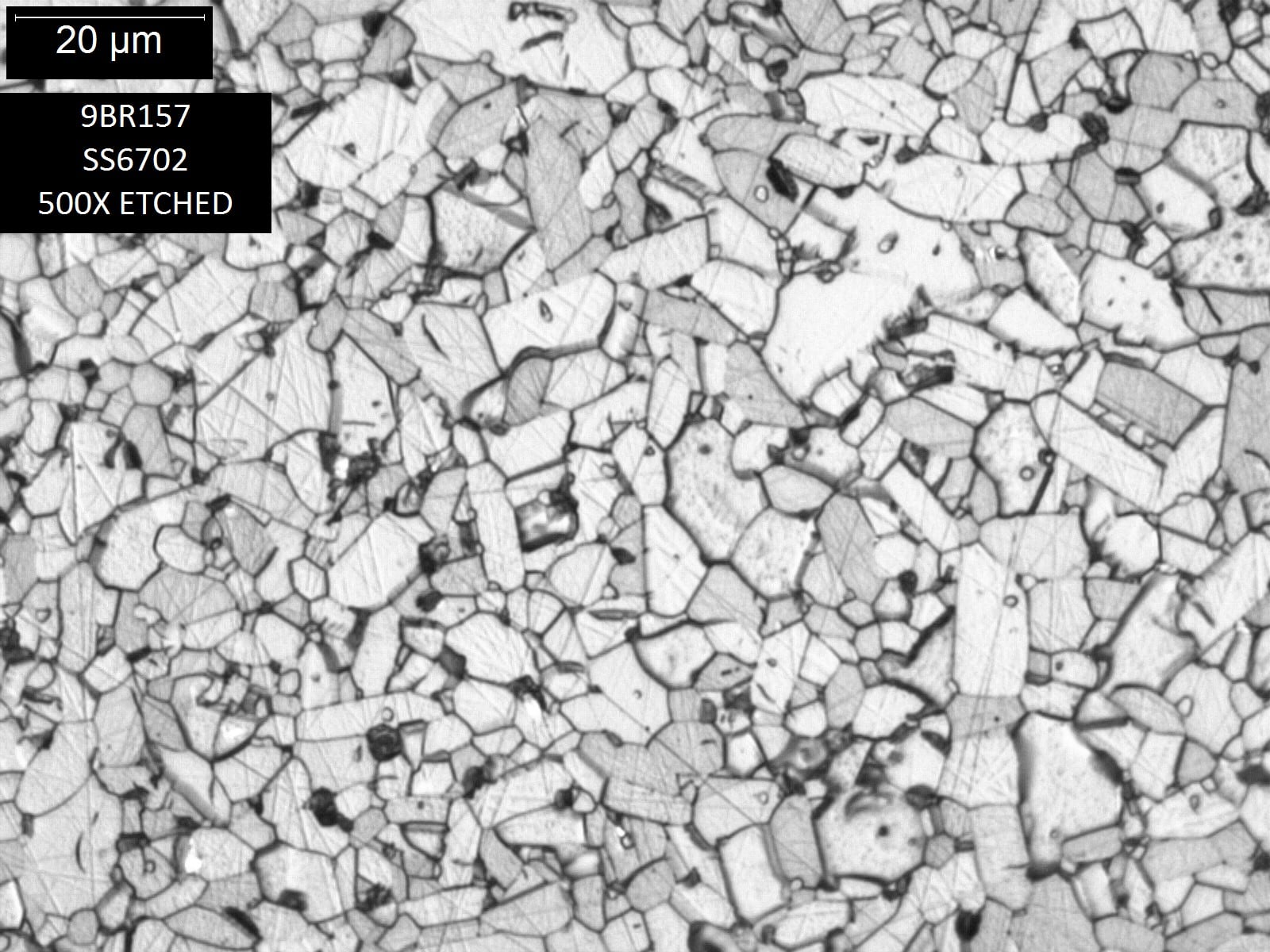
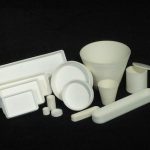
CALSIC S is Calix’s Sintered Silcon Carbide. CALSIC S is a single-phase material containing greater than 99% silicon carbide. CALSIC S is a fine-grained material with a typical grain size of < 5 microns.
Sintered Silicon Carbide characteristics
• corrosion resistance
The lack of binder or secondary phase makes our sintered silicon carbide nearly universally corrosion resistant.
• wear & abbrasion resistance
The lack of binder or secondary phase makes our sintered silicon carbide nearly universally corrosion resistant.
• temperature strength & creep resistance
CALSIC S retains nearly full strength to temperatures approaching 1750°C. Due to its high modulus, our sintered silicon carbide does not creep under load.
• thermal shock
CALSIC S offers very good thermal shock resistance thanks to its high thermal conductivity (125W/mK).
Sintered Silicon Carbide Properties
Sintered silicon carbide (SiC) boasts hardness rivaled only by diamond. Our CALSIC S is extremely resistant to wear, abrasion, thermal and shock – making it great for a variety of applications and products. Learn more about sintered silicon carbide properties below.
All properties are at room temperature (20°C) unless otherwise stated.
Sintered Silicon Carbide pricing structure
Sintered Silicon Carbide Products are priced based on the following:
- Forming Method – the method used to produce the near net shape component
- Machining Requirements – the type of tooling required and amount of machining necessary to achieve the final product
- Component Details – the specifics of the end user’s components such as tolerance requirements
- Quantity of Pieces
sintered silicon carbide
Frequently Asked Questions
Sintered silicon carbide is resistant to many environmental factors, including corrosion, wear, and abrasion, creep, and thermal shock, and can retain full strength at extremely high temperatures.
Dr. E.G. Acheson created silicon carbide while trying to create artificial diamonds. He then decided to manufacture the material and founded the Carborundum Company in late 1890’s in Niagara Falls.
Sintered silicon carbide can be made in any of the following processes: microwave sintering, reaction sintering, recrystallization sintering, hot press sintering, and pressureless sintering.
A wide array of components can be manufactured with sintered silicon carbide material. The material can be formed in several ways; dry press, isopressing, extrusion and now 3d printing, which allows for the manufacturing of ceramic wear tiles, protection tubes, complex machined near net shapes components, and 3D printed items such as heat exchangers, filters.
Sintered silicon carbide and reaction-bonded silicon carbide are manufactured differently and have different properties. SiC is made without a bonding phase by pressureless sintering fine SiC powder at high temperatures. Reaction bonded SiC is made by infiltrating porous SiC with molten silicon.
SiC is harder and more wear resistant, withstands higher temperatures and corrosion but is more brittle than RBSiC.
“The Calix staff as a whole have been amazing. Their response time and willingness to help us with our projects are unmatched in comparison to other companies that I have tried to purchase from in the past.”
– Brandon
High Temperature Equipment Manufacturer